

Attic Mold Removal in Sonoma, CA
Sonoma's valley location and Mediterranean climate create persistent humidity and damp ground conditions that make attic moisture intrusion a recurring issue for property owners, particularly in older homes with crawl spaces or partial basements. Attic mold growth thrives in these moisture-rich environments and, left unaddressed, can compromise indoor air quality and structural integrity. Lee Mold Remediation connects you with local removal providers who can assess attic mold conditions and perform thorough remediation to restore a safer home environment.
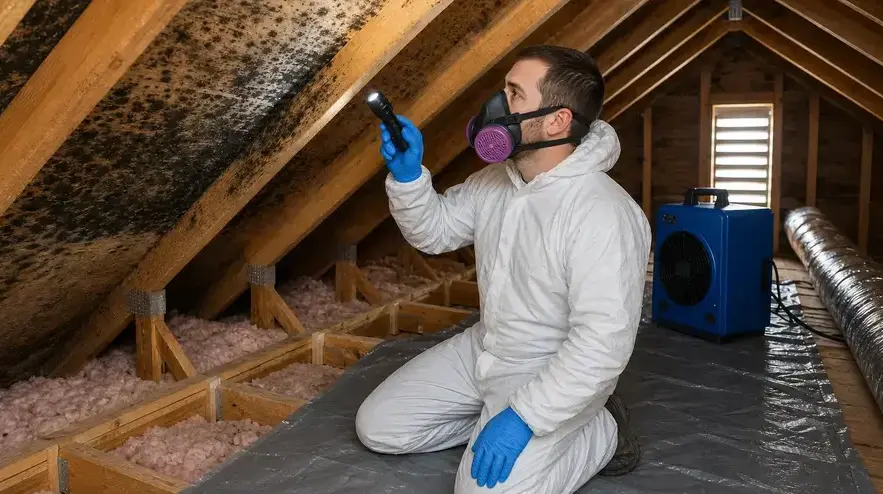
What gets cleaned in an attic, and what comes out
Two questions decide the scope of any mold job: what is it growing on, and how much of it is there. The EPA publishes an answer for both, and this is that guidance applied to the materials you would expect in an attic.
| Material | Under 10 sq ftabout a cabinet door, or one ceiling tile | 10 to 100 sq ftroughly one wall, or a small bathroom | Over 100 sq ftmore than one room's worth of surface |
|---|---|---|---|
| Wood surfacesroof sheathing, rafters and trussesEPA, Table 2 | Wet vacuumDamp wipeHEPA vacuum | Wet vacuumDamp wipeHEPA vacuum | Wet vacuumDamp wipeHEPA vacuumRemove and discard |
| Wallboardthe ceiling drywall below, seen from aboveEPA, Table 2 | HEPA vacuum | HEPA vacuumRemove and discard | HEPA vacuumRemove and discard |
What those methods mean, in EPA's words
- Wet vacuum
Wet vacuums are vacuum cleaners designed to collect water. They can be used to remove water from floors, carpets and hard surfaces where water has accumulated.
EPA, cleanup methods- Damp wipe
Mold can generally be removed from nonporous (hard) surfaces by wiping or scrubbing with water, or water and detergent.
EPA, cleanup methods- HEPA vacuum
HEPA (High-Efficiency Particulate Air) vacuums are recommended for final cleanup of remediation areas after materials have been thoroughly dried and contaminated materials removed.
EPA, cleanup methods- Remove and discard
Building materials and furnishings that are contaminated with mold growth and are not salvageable should be double-bagged using 6-mil polyethylene sheeting.
EPA, cleanup methods
Removed and replaced, whatever the area
- Fiberglass or other insulation — batt or blown insulation across the attic floor.
Fiber glass, or any other insulation material that is wet or visibly moldy (or if an unacceptable odor is present) should be removed and replaced by a qualified heating and cooling system contractor.
EPA, air duct cleaningEPA states this in its heating-and-cooling guidance and it is quoted here as written. Its water-damage table reaches the same conclusion for both fiberglass and cellulose insulation. - Insulated air ducts — insulated HVAC ducts run through the roof space.
If you have insulated air ducts and the insulation gets wet or moldy it cannot be effectively cleaned and should be removed and replaced.
EPA, air duct cleaningThe affected runs are what get replaced — not necessarily the whole system.
These guidelines are for damage caused by clean water. If you know or suspect that the water source is contaminated with sewage, or chemical or biological pollutants, then Personal Protective Equipment and containment are required by OSHA.
EPA, Table 1Porous materials that are wet and have mold growing on them may have to be discarded.
EPA, cleanup methodsMold can grow on wood, drywall, carpet and furniture if they remain wet for more than 24 hours.
EPA, flood cleanup
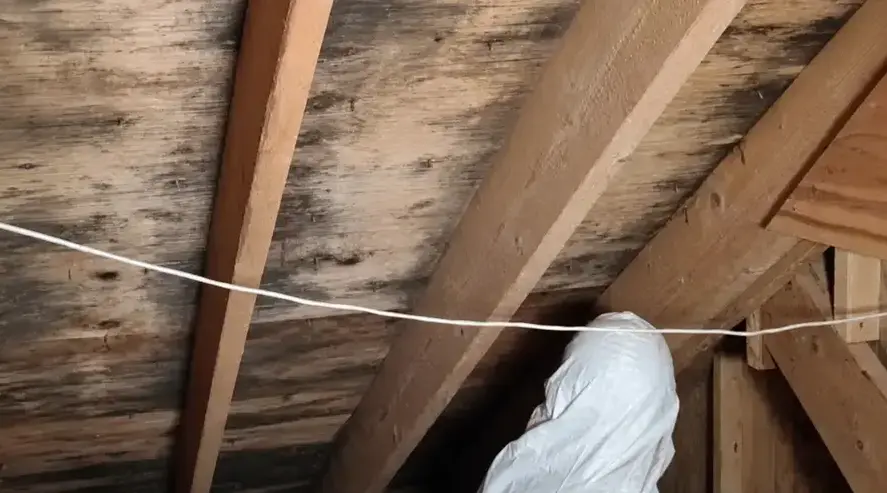
Attic mold is usually a ventilation fault rather than a leak — most often a bathroom fan discharging into the attic, or soffit vents blocked by insulation. The sheathing and rafters are wood, so they can often be cleaned and kept. The insulation underneath them cannot, and nor can any insulated duct running through the space.
Freezing nights number roughly 31 a year in Sonoma, concentrated in December.Source: NOAA 1991-2020 Climate Normals, SANTA ROSA SONOMA CO AP, CA US station (2.1 mi from Sonoma)
Attic Mold Removal for Sonoma Homes
Sonoma's Mediterranean climate creates conditions that favor moisture accumulation in attics year-round. Persistent coastal fog and sustained humidity levels mean that attic spaces—often poorly ventilated and prone to condensation buildup—become prime environments for mold growth. Older homes throughout the region, many with crawl spaces or partial basements below, experience moisture intrusion that can rise into upper stories and attic areas. Property owners in Sonoma face a genuine challenge keeping attics dry enough to prevent fungal colonization, especially when roof leaks, inadequate ventilation, or damp ground conditions allow moisture to migrate upward through the home's structure.
Lee Mold Remediation connects Sonoma property owners with local independent providers who specialize in attic mold removal and understand the specific moisture dynamics of homes in this area. The providers in this network approach attic mold systematically—identifying moisture sources, containing affected zones to prevent spore dispersal, removing contaminated materials, and restoring proper ventilation to discourage regrowth. Thorough follow-up and attention to underlying humidity control distinguish a lasting solution from a temporary cleanup. If you've noticed musty odors, visible growth, or signs of moisture in your attic, reaching out for a local inspection is a straightforward first step toward protecting your home's air quality and structural integrity.
Why Sonoma Property Owners Choose Lee Mold Remediation
Fast Local Attic Mold Removal
Lee connects you with independent local providers who respond quickly to attic mold concerns. Same-region expertise means faster assessment and removal, minimizing exposure time and protecting your home's structure.
Thorough Attic Mold Inspection
Proper attic mold removal begins with complete inspection. Lee's network partners conduct detailed walkthroughs to locate hidden growth, moisture sources, and structural damage before treatment begins.
Clear Communication Throughout Removal
Attic mold removal requires transparency. Independent providers in the Lee network explain findings, treatment methods, and next steps in plain language so you understand every phase of the process.
Attic Mold Removal for Humid Climates
Sonoma's persistent fog and year-round moisture create ideal conditions for attic mold growth. Lee connects property owners with local providers experienced in removing mold from attics in high-humidity environments.
How Our Attic Mold Removal Process Works
Schedule Your Attic Mold Removal Visit
Contact Lee Mold Remediation to connect with an independent local attic mold removal provider in Sonoma. We'll match you with a provider who can schedule an assessment and begin addressing mold growth in your attic space.
Receive a Detailed Attic Inspection
The local provider inspects your attic for active mold growth, moisture sources, and areas of structural damage. Given Sonoma's persistent humidity and damp ground conditions common to the region, attics are particularly vulnerable to moisture intrusion—a thorough inspection identifies the scope of removal needed.
Complete Attic Mold Removal and Prevention
The independent provider removes mold-affected materials, addresses moisture sources, and improves attic ventilation to reduce future growth. You'll receive guidance on monitoring your attic and maintaining conditions that discourage mold return.
Dealing with Attic Mold Removal in Sonoma? Get fast, professional help.
Call Now — (707) 881-9377Attic Mold Removal Across Sonoma
Attic mold removal in Sonoma requires an understanding of how the valley's moisture patterns create risk year-round. The region's Mediterranean climate brings persistent fog and humidity that extend well beyond winter storm seasons, keeping attic spaces damp when ventilation is poor or insulation traps condensation. Older homes throughout the area often feature crawl spaces or partial basements where ground moisture rises into the structure, and this moisture migration can easily reach attic framing and sheathing above, especially if attic vents are blocked or inadequate. Property owners in established neighborhoods frequently discover mold has already colonized rafter tails and roof decking before visible signs appear indoors.
The interplay between Sonoma's damp ground conditions and aging construction means attic mold removal often requires more than surface cleaning—it demands proper moisture assessment, containment during removal, and restoration of airflow to prevent recurrence. When you connect with a local mold remediation provider through Lee Mold Remediation, they bring familiarity with how Sonoma's climate and older home construction conspire to create persistent attic moisture, allowing them to tailor removal and prevention strategies to your property's specific conditions.
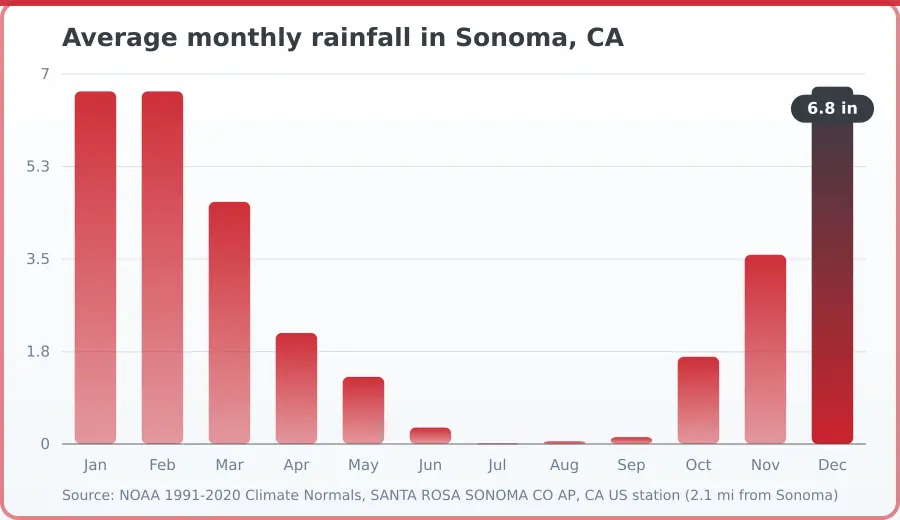
| Period | Monthly rainfall (in) |
|---|---|
| Jan | 6.7 |
| Feb | 6.7 |
| Mar | 4.6 |
| Apr | 2.1 |
| May | 1.3 |
| Jun | 0.3 |
| Jul | 0 |
| Aug | 0.1 |
| Sep | 0.1 |
| Oct | 1.7 |
| Nov | 3.6 |
| Dec | 6.8 |
Source: NOAA 1991-2020 Climate Normals, SANTA ROSA SONOMA CO AP, CA US station (2.1 mi from Sonoma). Retrieved October 5, 2026.
Attic Mold Removal Across Sonoma's Seasons
Spring: Moisture Surge
Spring rainfall and lingering moisture create ideal conditions for attic mold growth after winter dormancy. Mold colonies activate and spread rapidly as temperatures warm. Lee Mold Remediation connects you with local providers who inspect attics for fresh growth and address water intrusion points before summer heat amplifies problems.
Summer: Visibility Peak
Warm, dry attic conditions slow active mold spread, but accumulated growth from spring becomes most visible now—discoloration, musty odors, and visible colonies are easier to spot. This is an ideal season for comprehensive attic mold removal before fall moisture returns. Local providers can access and assess the full scope of summer-revealed damage.
Fall: Humidity Returns
Sonoma's coastal fog and increasing damp ground conditions through autumn elevate attic humidity again, reactivating dormant spores and accelerating mold reproduction in poorly ventilated spaces. Early fall removal prevents winter amplification. Lee Mold Remediation helps property owners schedule attic inspections and remediation before the seasonal moisture cycle intensifies further.
Winter: Sustained Pressure
Cold, wet winter weather keeps attic environments persistently damp, allowing mold to thrive year-round without the drying effect of summer heat. Inadequate ventilation traps moisture, favoring continued growth. Local providers perform winter attic mold removal and recommend moisture-control measures to break the seasonal cycle that defines the region's climate.
Attic Mold Removal FAQs — Sonoma, CA
Attic mold removal typically begins with a thorough inspection to identify affected areas and moisture sources. The independent local provider will contain the contaminated zone, remove affected insulation and materials, clean and treat surfaces, and address the underlying moisture issue. The goal is safe removal and restoration of healthy indoor air quality in your attic space.
Lee Mold Remediation works to connect Sonoma property owners with local independent providers as quickly as possible. Attic mold removal timing depends on the scope of the problem and the provider's availability. Contact the network to discuss your situation and get a rapid connection to someone ready to assess and address your attic mold concern.
Attic mold removal pricing depends on the size of the affected area, severity of contamination, how easily the provider can access your attic, and whether the underlying moisture problem requires repair. Each independent provider sets their own pricing based on these variables. Request a consultation to receive an accurate estimate for your specific situation.
Before attic mold removal, ensure clear access to your attic for the independent provider's team. Remove personal items stored in the attic if possible, and keep family members and pets away from work areas during the removal process. The provider will advise you on any additional preparation needed to ensure safe, effective containment and remediation of the mold.
Preventing attic mold recurrence means controlling moisture—ensure roof and flashing are in good condition, check that attic ventilation is adequate and unobstructed, and fix any leaks promptly. In Sonoma's humid climate, proper drainage around your foundation and maintenance of gutters also reduce moisture that can travel upward. Your remediation provider can recommend specific preventive measures for your home.
Sonoma's persistent fog and elevated humidity throughout the year create ongoing conditions favorable to mold growth in attics. While winter brings additional moisture from rainfall, attic mold can develop and worsen at any season. If you suspect mold in your attic, contacting an independent local provider promptly—regardless of season—helps prevent the problem from spreading.
Related Services
Homeowner Safety Toolkit
Verify Your Sonoma, CA Mold Remediation Company
Before you hire anyone, use these independent national resources to confirm credentials, standards, and track record.
CDC
Covers the health effects of mold exposure and safe cleanup practices, separate from the remediation work itself — useful if anyone in the home has respiratory symptoms.
Mold Health GuideBBB
Look up any mold remediation company's complaint history, customer reviews, and accreditation status — a free, independent check before you hire.
Check StandingIICRC
Publishes the S520 standard for professional mold remediation. Confirm a company's technicians hold real, current IICRC certification before you hire them.
Verify CertificationDealing with Attic Mold Removal in Sonoma, CA? Call (707) 881-9377 for 24/7 help.
Call Now — (707) 881-9377Areas We Serve in Sonoma, California
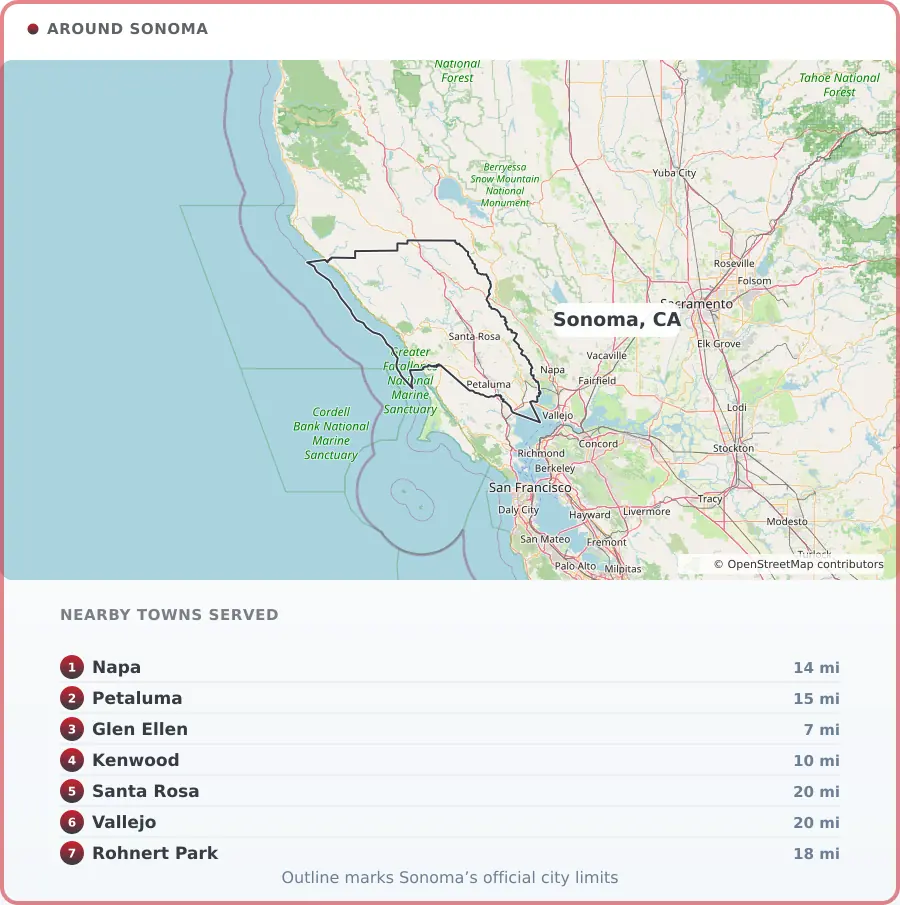
Sonoma, CA is the centre of the service area, which extends to 7 surrounding towns. The map shows how far that reaches.
Sonoma, CA Information
Tucked into the rolling hills of California wine country, Sonoma, CA carries an unmistakable sense of place. With roughly 10,700 residents, it's an intimate town built around a timeless rhythm of vineyards, tasting rooms, and the historic Plaza that anchors daily life. Wine and viticulture remain the heartbeat of the local economy, drawing steady tourism and hospitality business to resorts, restaurants, and shops throughout the year.
Beyond the vines, Sonoma Valley Hospital and the local school district provide stable employment alongside storied names like Sebastiani, Buena Vista, and Ravenswood wineries. It's a community where agriculture, healthcare, and hospitality intertwine, giving Sonoma a grounded, close-knit character even amid its destination-town appeal.

Photo: Billy Hathorn, CC BY-SA 3.0