

Commercial Mold Remediation in Sonoma, CA
Sonoma's persistent fog and year-round moisture in the air create conditions where mold can develop steadily in commercial spaces, particularly in older buildings with crawl spaces or partial basements where ground dampness accumulates beneath the structure. Commercial Mold Remediation in Sonoma requires swift identification and containment to protect both the building envelope and indoor air quality for employees and customers. Lee Mold Remediation connects property owners with local remediation providers who can assess the extent of growth and execute safe removal, helping preserve the integrity of your business premises.
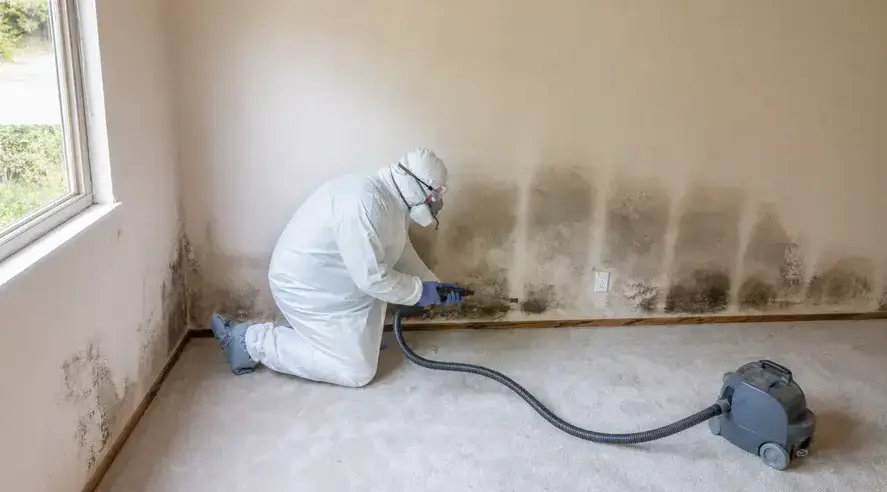
What gets cleaned in a commercial building, and what comes out
Two questions decide the scope of any mold job: what is it growing on, and how much of it is there. The EPA publishes an answer for both, and this is that guidance applied to the materials you would expect in a commercial building.
| Material | Under 10 sq ftabout a cabinet door, or one ceiling tile | 10 to 100 sq ftroughly one wall, or a small bathroom | Over 100 sq ftmore than one room's worth of surface |
|---|---|---|---|
| Carpet and backingbroadloom or tile carpet and its backingEPA, Table 2 | Wet vacuumHEPA vacuum | Wet vacuumHEPA vacuumRemove and discard | Wet vacuumHEPA vacuumRemove and discard |
| Wallboardpartition walls and demountable panelsEPA, Table 2 | HEPA vacuum | HEPA vacuumRemove and discard | HEPA vacuumRemove and discard |
| Non-porous, hard surfacessealed floors, metal fixtures and glazingEPA, Table 2 | Wet vacuumDamp wipeHEPA vacuum | Wet vacuumDamp wipeHEPA vacuum | Wet vacuumDamp wipeHEPA vacuum |
| Concrete or cinder blockslabs, cores and block wallsEPA, Table 2 | Wet vacuumHEPA vacuum | Wet vacuumHEPA vacuum | Wet vacuumHEPA vacuum |
| Books and papersstored files, stock and cardboardEPA, Table 2 | HEPA vacuum | HEPA vacuum | HEPA vacuum |
What those methods mean, in EPA's words
- Wet vacuum
Wet vacuums are vacuum cleaners designed to collect water. They can be used to remove water from floors, carpets and hard surfaces where water has accumulated.
EPA, cleanup methods- Damp wipe
Mold can generally be removed from nonporous (hard) surfaces by wiping or scrubbing with water, or water and detergent.
EPA, cleanup methods- HEPA vacuum
HEPA (High-Efficiency Particulate Air) vacuums are recommended for final cleanup of remediation areas after materials have been thoroughly dried and contaminated materials removed.
EPA, cleanup methods- Remove and discard
Building materials and furnishings that are contaminated with mold growth and are not salvageable should be double-bagged using 6-mil polyethylene sheeting.
EPA, cleanup methods
Removed and replaced, whatever the area
- Ceiling tiles — drop-ceiling tiles and grid infill.
Discard and replace.
EPA, Table 1This is the action EPA's water-damage table gives for ceiling tiles. It is the one material here with no size threshold to weigh.
These guidelines are for damage caused by clean water. If you know or suspect that the water source is contaminated with sewage, or chemical or biological pollutants, then Personal Protective Equipment and containment are required by OSHA.
EPA, Table 1Porous materials that are wet and have mold growing on them may have to be discarded.
EPA, cleanup methodsMold can grow on wood, drywall, carpet and furniture if they remain wet for more than 24 hours.
EPA, flood cleanup
Commercial interiors add two materials that rarely survive — drop-ceiling tile and tile carpet — and both are usually cheaper to replace than to clean around. Sealed floors, glazing and structural concrete stay. Stock, files and cardboard are judged as paper, which EPA treats as a HEPA-vacuum item at every size rather than a removal.
About 20.7% of Sonoma homes are pre-1960, while 6.3% date from 2010 or later.Source: US Census Bureau, American Community Survey 2023 5-year estimates, table B25034 — Sonoma County (206,319 housing units; county figure, as this location is not a separate Census place)
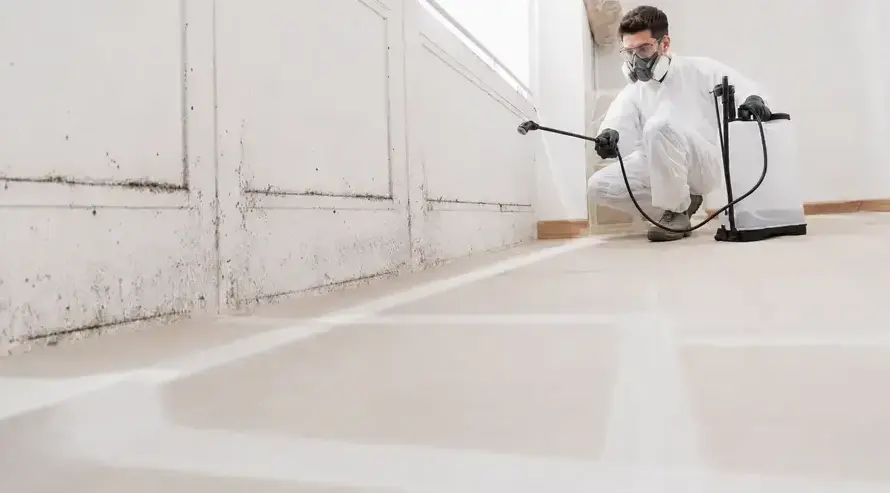
Commercial Mold Remediation Matters in Sonoma
Sonoma's Mediterranean climate creates persistent moisture conditions throughout the year, with coastal fog and humidity that settle into properties well beyond the rainy season. Older commercial buildings in the area—including those in downtown Sonoma and surrounding business districts—often have crawl spaces or partial basements where ground-level dampness becomes a breeding ground for mold. When moisture accumulates in these spaces and migrates into walls, HVAC systems, or storage areas, mold can compromise indoor air quality, damage building materials, and create maintenance headaches that affect operations and tenant health.
Lee Mold Remediation connects Sonoma property owners with independent local providers who handle commercial mold remediation with a methodical approach: thorough inspection to identify the full scope of the problem, safe containment and removal to prevent spore spread, and targeted moisture control to address the root cause. Rather than treating symptoms, these providers focus on lasting solutions—drying affected areas, restoring air circulation, and helping you understand what triggered growth in the first place. If you suspect mold in your commercial space, reaching out for a professional assessment is the first step toward protecting your property and everyone who works or operates there.
Why Sonoma Property Owners Choose Lee Mold Remediation
Local Commercial Mold Remediation Experts
Lee connects Sonoma businesses with independent local providers experienced in commercial mold remediation. Fast response times and knowledge of local moisture patterns help property owners address mold growth quickly and thoroughly.
Thorough Commercial Mold Remediation Process
Commercial mold remediation requires careful containment and complete removal to protect indoor air quality and occupant health. Lee's network providers follow systematic remediation protocols to address affected areas and restore safe working environments.
Clear Communication Throughout Remediation
Commercial mold remediation involves multiple steps and timelines. Lee's independent providers keep property owners informed at each stage, explaining findings, treatment plans, and next steps in straightforward terms.
Sonoma's Persistent Humidity Demands Local Solutions
Sonoma's year-round moisture environment—from coastal fog and elevated humidity—creates recurring mold risk for commercial properties, especially older buildings with crawl spaces or basements. Commercial mold remediation through Lee connects you with local providers who understand these persistent moisture challenges.
How Our Commercial Mold Remediation Process Works
Schedule Your Commercial Mold Inspection
Contact Lee Mold Remediation to arrange a commercial mold inspection at your Sonoma property. A local independent provider will assess your building for mold growth, moisture sources, and contamination extent to develop a targeted remediation plan.
Receive Detailed Commercial Mold Assessment
The inspection provider identifies active mold, hidden moisture intrusion points, and air quality concerns specific to your commercial space. Given Sonoma's persistent humidity and damp ground conditions, moisture often enters older buildings through foundations and walls, making thorough diagnostic testing essential before remediation begins.
Begin Commercial Mold Remediation Work
Once you approve the findings, the independent remediation provider removes contaminated materials, treats affected surfaces, and restores indoor air quality using proper containment and disposal methods. Follow-up monitoring ensures the commercial space remains free of active mold and moisture control measures are holding.
Dealing with Commercial Mold Remediation in Sonoma? Get fast, professional help.
Call Now — (707) 881-9377Commercial Mold Remediation Across Sonoma
Sonoma's geography and climate create distinct moisture management challenges for commercial properties. The valley's Mediterranean conditions bring persistent fog and humidity throughout much of the year—well beyond typical winter rainfall periods. For businesses occupying older structures, this year-round dampness poses a significant risk: moisture can accumulate in building materials, crawl spaces, and foundation areas, creating environments where mold growth becomes an ongoing concern rather than a seasonal problem. Commercial Mold Remediation in Sonoma requires an approach that accounts for these extended humid periods and the cumulative effect they have on building integrity.
Property owners in Sonoma—whether managing downtown commercial corridors or facilities in surrounding neighborhoods—face similar moisture-related pressures that can affect indoor air quality, structural materials, and tenant health. Lee Mold Remediation connects you with independent local providers who understand how Sonoma's climate patterns influence mold development in commercial spaces. When moisture intrusion and mold become concerns, a local provider familiar with regional conditions can assess your building's specific vulnerabilities and recommend containment and removal strategies tailored to the area's persistent humidity environment.
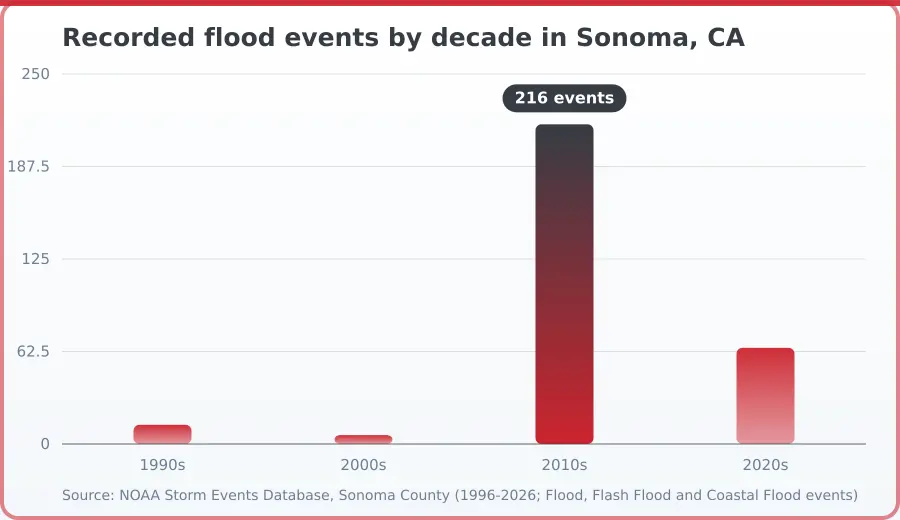
| Period | Recorded flood events by decade (events) |
|---|---|
| 1990s | 13 |
| 2000s | 6 |
| 2010s | 216 |
| 2020s | 65 |
Source: NOAA Storm Events Database, Sonoma County (1996-2026; Flood, Flash Flood and Coastal Flood events). Retrieved October 5, 2026.
Seasonal Commercial Mold Remediation Challenges in Sonoma
Spring: Moisture Surge
Spring rains increase ground moisture, raising mold risk in commercial spaces with crawl spaces or partial basements. Lee Mold Remediation connects property owners with local providers who assess moisture intrusion points and implement containment before mold colonies expand.
Summer: Heat and Humidity
Warm temperatures accelerate mold reproduction in commercial buildings where air conditioning or ventilation systems fail to manage indoor humidity. Local providers accessible through Lee Mold Remediation identify hidden growth in walls, HVAC systems, and storage areas before occupant health concerns arise.
Fall: Transition Damp
Cooling temperatures and shifting weather patterns create condensation buildup in commercial properties, particularly in areas prone to persistent fog and elevated humidity throughout the year. Lee Mold Remediation connects you with independent local providers who locate active growth and recommend moisture control strategies for the coming wet season.
Winter: Active Growth Season
Extended wet conditions during winter months accelerate mold activity in commercial spaces. Lee Mold Remediation helps property owners find local remediation providers who conduct thorough inspections, safely contain affected areas, and restore indoor air quality.
Commercial Mold Remediation FAQs — Sonoma, CA
Commercial mold remediation addresses mold growth in business spaces through containment, removal, and cleanup. The process typically includes identifying affected areas, isolating them to prevent spore spread, removing contaminated materials, cleaning surfaces, and drying the space thoroughly. Lee Mold Remediation connects you with local providers who handle the full scope of work to restore your commercial property's indoor air quality and structural integrity.
Lee Mold Remediation works to connect you with independent local commercial mold remediation providers in Sonoma promptly. Response times depend on provider availability and your property's specific situation. Contact the service to discuss your timeline and get matched with a provider who can assess your commercial space and outline next steps.
Commercial mold remediation costs vary based on the extent of mold contamination, affected square footage, materials involved, and whether structural components require removal or repair. The type of commercial space—retail, office, warehouse—and accessibility also influence pricing. Independent local providers in Sonoma will evaluate your property and provide estimates tailored to your specific situation.
Before remediation begins, secure valuable items and documents from the affected area. Ensure the provider has safe access to all affected zones. Discuss operational disruptions and timeline with the independent remediation provider. They'll guide you on whether temporary closure, ventilation setup, or containment procedures are necessary to protect unaffected areas during the work.
Control indoor moisture by maintaining proper ventilation, fixing plumbing leaks promptly, and managing humidity levels. Regular inspections of vulnerable areas—particularly crawl spaces and partial basements common in older Sonoma properties—help catch moisture intrusion early. Address water damage immediately and ensure gutters and drainage direct water away from the foundation to minimize conditions that support mold development.
Sonoma's persistent coastal fog and elevated humidity create conditions conducive to mold growth throughout much of the year, not just during heavy rainfall. Moisture-saturated air combined with damp ground conditions around commercial buildings accelerates mold colonization. Prompt remediation during humid periods prevents mold from spreading deeper into building materials, protecting employee health and property value.
Related Services
Homeowner Safety Toolkit
Verify Your Sonoma, CA Mold Remediation Company
Before you hire anyone, use these independent national resources to confirm credentials, standards, and track record.
CDC
Covers the health effects of mold exposure and safe cleanup practices, separate from the remediation work itself — useful if anyone in the home has respiratory symptoms.
Mold Health GuideBBB
Look up any mold remediation company's complaint history, customer reviews, and accreditation status — a free, independent check before you hire.
Check StandingIICRC
Publishes the S520 standard for professional mold remediation. Confirm a company's technicians hold real, current IICRC certification before you hire them.
Verify CertificationDealing with Commercial Mold Remediation in Sonoma, CA? Call (707) 881-9377 for 24/7 help.
Call Now — (707) 881-9377Areas We Serve in Sonoma, California
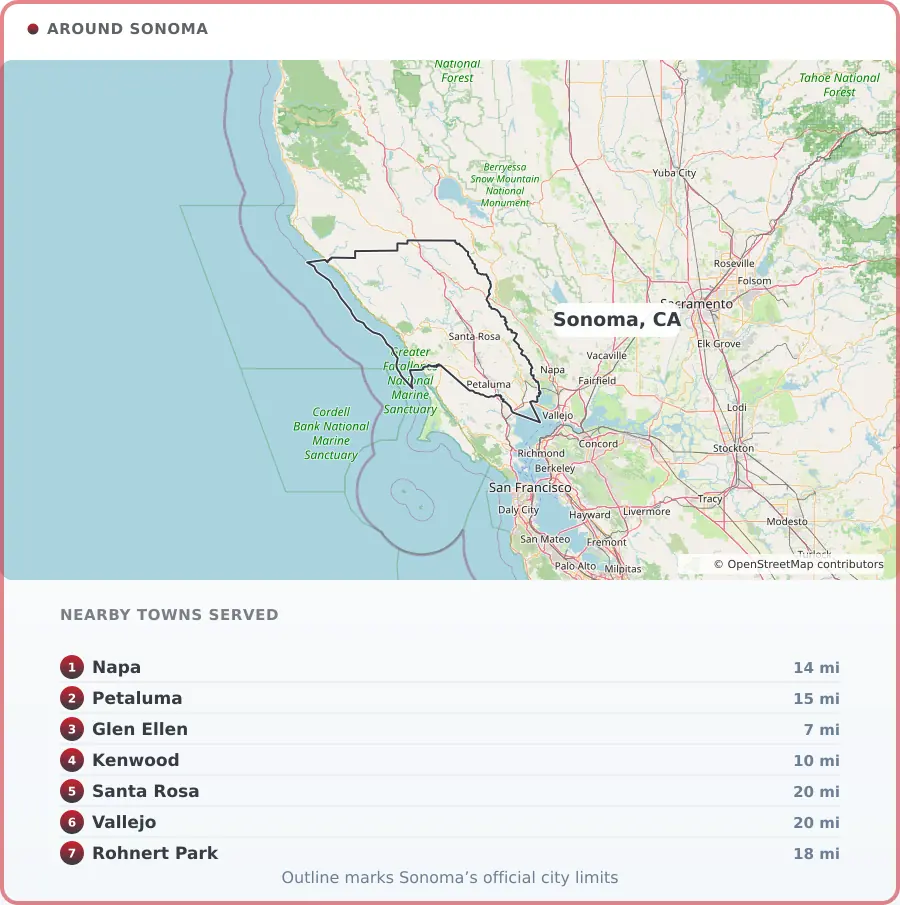
Sonoma, CA is the centre of the service area, which extends to 7 surrounding towns. The map shows how far that reaches.
Sonoma, CA Information
Tucked into the rolling hills of California wine country, Sonoma, CA carries an unmistakable sense of place. With roughly 10,700 residents, it's an intimate town built around a timeless rhythm of vineyards, tasting rooms, and the historic Plaza that anchors daily life. Wine and viticulture remain the heartbeat of the local economy, drawing steady tourism and hospitality business to resorts, restaurants, and shops throughout the year.
Beyond the vines, Sonoma Valley Hospital and the local school district provide stable employment alongside storied names like Sebastiani, Buena Vista, and Ravenswood wineries. It's a community where agriculture, healthcare, and hospitality intertwine, giving Sonoma a grounded, close-knit character even amid its destination-town appeal.
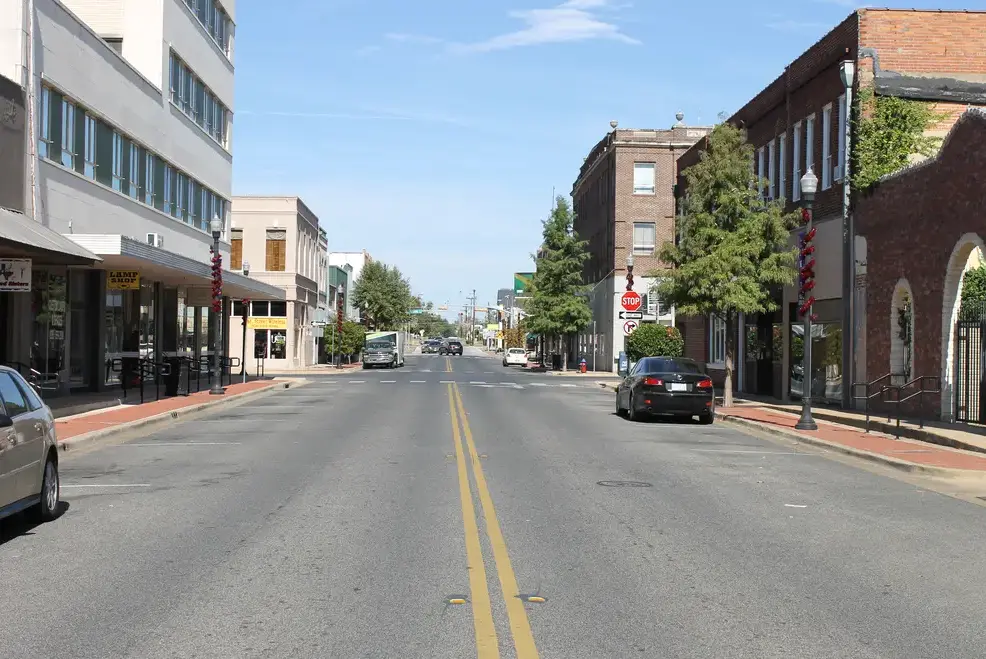
Photo: Billy Hathorn, CC BY-SA 3.0